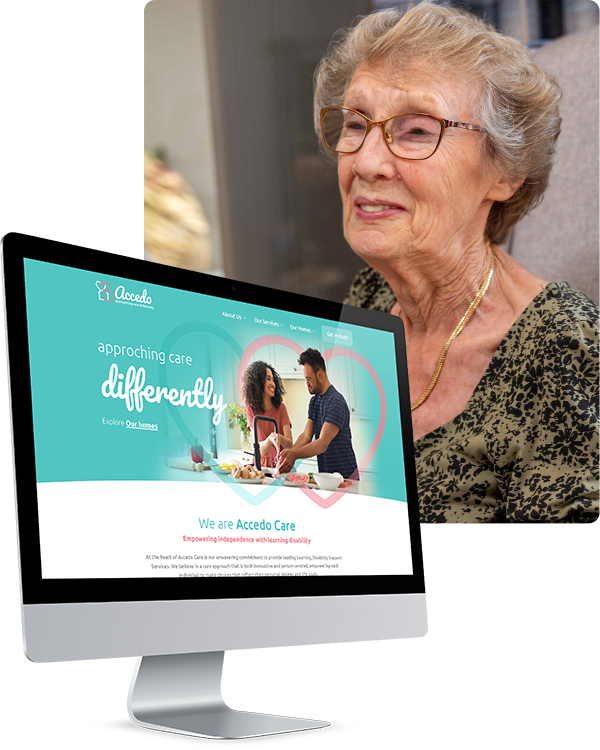
Why Hands Digital can cater to you.
Our approach to care and social services marketing is guided by tried-and-tested considerations that shape every strategy we deliver, ensuring compliance, accessibility, performance and meaningful results.
CQC compliance & regulated standards
We build care-sector websites and marketing strategies with CQC expectations in mind, ensuring your digital presence supports transparency, professionalism and trust while remaining fully compliant.
Accessibility-first digital design
Our work prioritises accessibility for diverse audiences, including older users and those with disabilities, delivering inclusive, easy-to-use websites that align with recognised accessibility standards.
Proven, conversion-focused strategies
With years of experience in care and social services, we deliver proven, tailored strategies. From enquiry-led website structures and local search visibility to trust-building content and clear calls to action.
Deep industry knowledge
With extensive experience across care homes, supported living, charities and social care, we understand the sector’s challenges and create strategies that genuinely resonate with your audience.
Elevating digital innovation to new heights
-


Premium Care Group -


WOW HYDRATE -

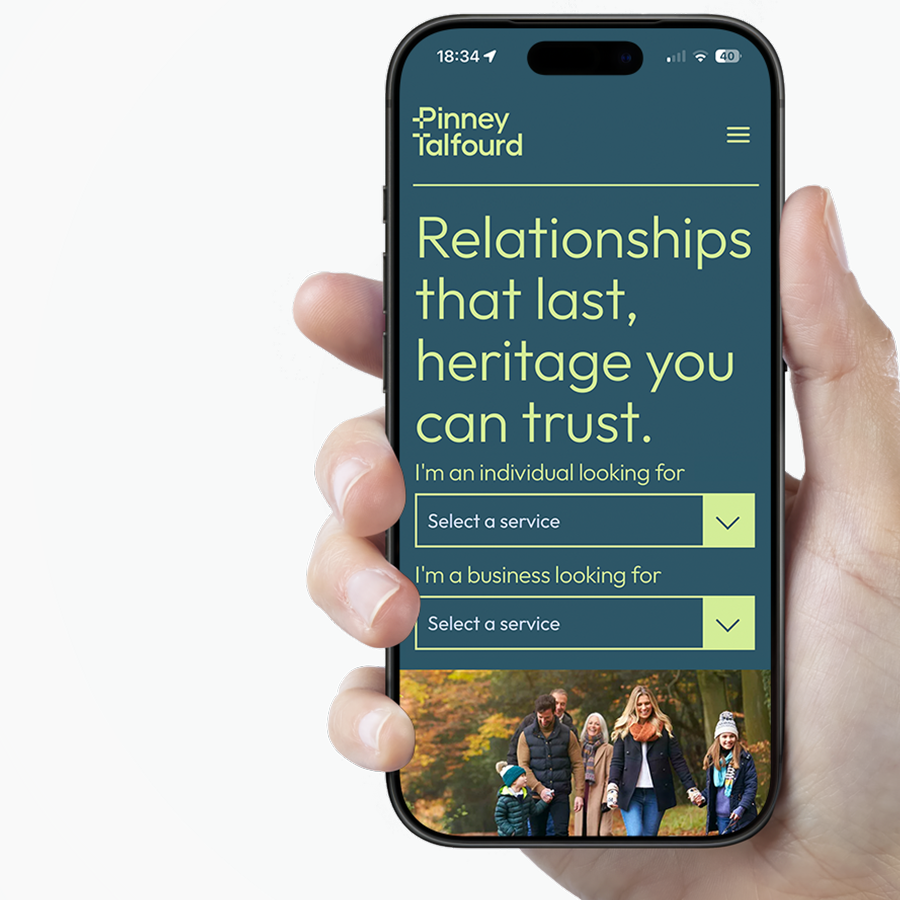
Pinney Talfourd -


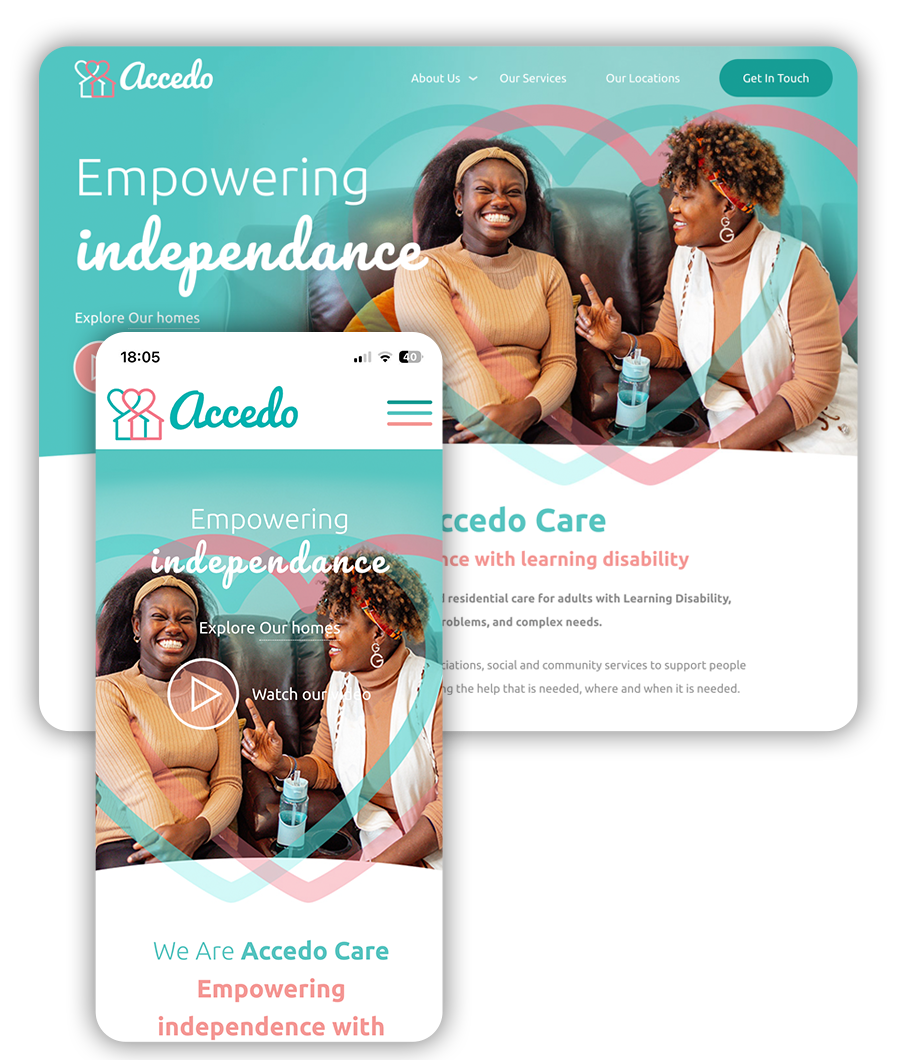
Accedo Care
Our areas of expertise.
You don’t need multiple agencies to achieve meaningful results. Hands Digital provides a full-service digital team with the specialist skills required to improve and protect your digital footprint.
Our expertise:
- Search engine visibility
- Website design focused on credibility and clarity
- Visual content and brand presentation
- Ongoing technical support and monitoring
All services are delivered under one cohesive strategy, ensuring consistency, clarity and measurable outcomes.
Frequently asked questions.
Do you specialise in care and social services marketing?
Our work spans care homes, supported living providers, charities and social care organisations across the UK. With more than 10 years’ experience in the sector, we understand the regulatory landscape as well as the ethical and emotional sensitivities involved in promoting care services responsibly.
How do you ensure our website remains compliant with industry regulations?
Compliance is built into every stage of our digital process. We design and develop websites in line with WCAG 2.1 accessibility guidelines, GDPR requirements and the broader expectations associated with regulated care environments, including those set by the Care Quality Commission (CQC). This ensures your website remains transparent, accessible and trustworthy while still delivering a strong user experience.
Can you improve enquiries without making the website feel sales-driven?
Care sector marketing requires a careful balance between reassurance and action. Our approach focuses on clarity, trust and guidance, allowing families to make contact naturally. Conversion strategies are shaped and refined using real user data, ensuring improvements are driven by insight rather than assumption.
Do you design websites with accessibility in mind?
Accessibility plays a central role in how we design and structure websites. Our focus is on creating clear, readable and inclusive digital experiences for users of all ages and abilities, with development aligned to WCAG 2.1 standards and recognised accessibility best practices.
Will your services work for both private care providers and charities?
Every organisation has different priorities, audiences and constraints. Our strategies are tailored to suit private care providers, charities and community organisations alike, ensuring the digital approach aligns with each organisation’s goals and operating model.
Do we need multiple agencies to manage our digital marketing?
A single, joined-up approach is often more effective. Hands Digital provides a full-service digital team covering strategy, design, content, development, optimisation and ongoing support, ensuring consistency and clear accountability throughout.
How do you measure success for care sector clients?
Success is assessed using metrics that genuinely matter to care organisations, such as enquiry quality, engagement, local visibility and user behaviour. Reporting focuses on outcomes that support awareness, referrals and occupancy rather than surface-level statistics.